EBC Trek via Chola Pass
From (per person)
EBC Trek via Chola Pass Highlights
• Trek through the scenic Gokyo valley, passing a series of glacial lakes.
• Hike to Gokyo Ri (5,357 m / 17,575 ft) for panoramic views of Everest, Lhotse, Makalu, and Cho Oyu.
• Cross the challenging Chola Pass (5,420 m / 17,782 ft), flanked by Cholatse and Taboche peaks.
• Reach Everest Base Camp (5,364 m / 17,598 ft) and stand below the Khumbu Icefall.
• Ascend Kala Patthar (5,545 m / 18,192 ft) for close-up views of Everest's southwest face.
• Experience the stunning turquoise Gokyo Lakes — a highlight of the EBC trek from Gokyo.
• View the massive Ngozumpa Glacier, one of the longest glaciers in Nepal.
• Explore Namche Bazaar, the cultural and trekking hub of the Khumbu region.
• Spot Himalayan wildlife such as musk deer, Himalayan tahr, and lammergeiers.
• Enjoy a circuit route that avoids retracing the same trail.
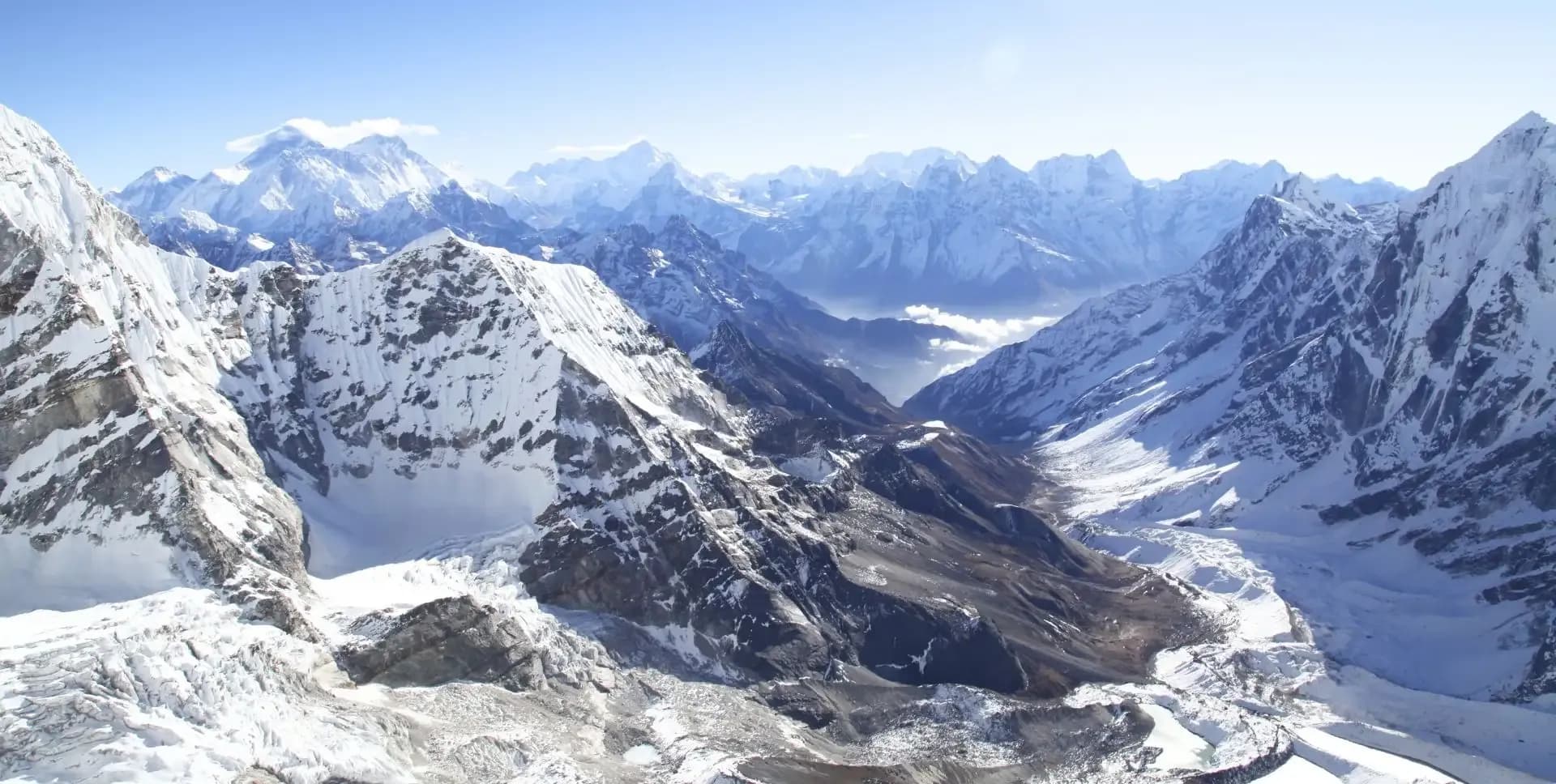
• Witness spectacular mountain landscapes, high passes, glaciers, and alpine valleys throughout the trek.
EBC Trek via Chola Pass Overview
The Everest base camp trek via Chola Pass is one of the most complete high-altitude trekking routes in Nepal. It combines the classic EBC trail with the stunning Gokyo valley, giving you the best of both regions in a single itinerary. The route visits Everest Base Camp, Kala Patthar, and the Gokyo Lakes before crossing the high Chola Pass.
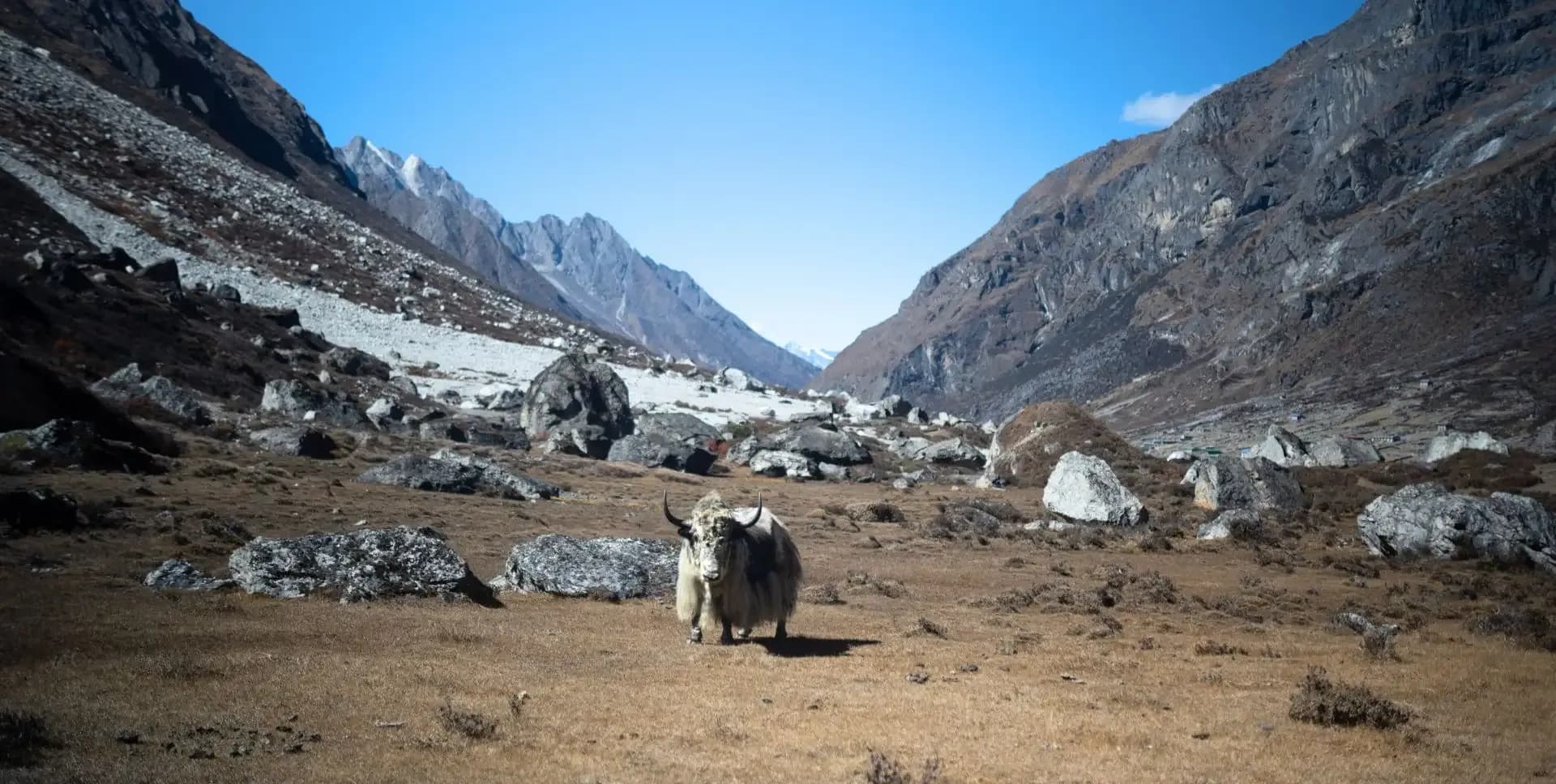
This program guides you in the Gokyo valley and approaches the Khumbu region from the west. You first reach Gokyo via Dole and Machhermo, passing through yak pastures and high alpine terrain. The Gokyo valley is home to a series of glacial lakes known as the Gokyo Lakes, which sit beside the Ngozumpa Glacier — Nepal's longest glacier. The ebc trek from Gokyo allows you to visit this scenic valley before tackling the more crowded Khumbu trail.
From Gokyo, you hike to Gokyo Ri at 5,357 m. The summit offers one of the finest Himalayan viewpoints available on any trekking route. Four of the world's six highest mountains are visible from the top, including Everest, Lhotse, Makalu, and Cho Oyu. Hiking to Everest base camp from Gokyo begins with this scenic crossing of the Ngozumpa Glacier to Dragnag.
The Chola Pass at 5,420 m is the crux of the Mount Everest trek via Chola Pass. The crossing requires an early start and good weather conditions. The descent leads to Dzongla and then to Lobuche, where the trail joins the main Khumbu route. From Lobuche, you follow the standard route to Gorakshep and then to Everest Base Camp at 5,364 m.
Kala Patthar stands at 5,545 m and is the highest point on this program. It delivers the closest and clearest view of Everest's southwest face available to you. The early morning ascent is a highlight of the entire journey. After descending from Kala Patthar, the route drops through Dingboche and Namche Bazaar before returning to Lukla.
This is a circuit route, meaning you do not retrace the same trail. The Gokyo valley approaches on the way in and the Namche Bazaar returns on the way out keep the experience varied throughout. The Everest base camp trek by Chola Pass suits you with good fitness, prior high-altitude experience, and a desire to see two of Khumbu’s most iconic destinations on one trip.
EBC Trek via Chola Pass Itinerary
Tap any day to read the full programme.
Our guide for the group meets you at Tribhuvan International Airport upon arrival. Transfers to the hotel are arranged, and the afternoon includes a pre-trek briefing. The session covers Lukla flight schedules, safety information, altitude sickness awareness, and gear checks. We recommend that you arrive in Kathmandu by 12:00 PM to allow time for rest and preparation.
The day begins with an early drive to Ramechhap, where the Lukla flight departs. The 30-minute mountain flight offers striking aerial views of the Himalayas before landing at Tenzing-Hillary Airport in Lukla. This small airstrip marks the official start of the Everest base camp trek by Chola Pass.
After meeting the porters and a quick breakfast in Lukla, the trail descends gently through Sherpa villages and forested paths. You cross suspension bridges over the Dudh Kosi River and pass through Chaurikharka and Chheplung before arriving at Phakding. The riverside village of Phakding provides comfortable teahouses for an overnight stay.
The trail from Phakding follows the Dudh Kosi River, crossing several suspension bridges and passing through Benkar, Chumoa, and Monjo. At Monjo, guides register trekking permits at the Sagarmatha National Park entrance. The trail continues to Jorsale before reaching the famous Hillary Suspension Bridge.
Beyond the bridge, a steep 600-meter climb through dense forest leads to Namche Bazaar. On clear days, Mount Everest appears above the Lhotse-Nuptse ridge during the ascent. Namche Bazaar is the largest village in the Khumbu region, offering lodges, restaurants, gear shops, and a busy weekly market.
You spend today acclimatizing in Namche Bazaar. Light hiking is recommended to help the body adjust to altitude. The morning hike passes the Namche Gompa and climbs above the village to the Syangboche airstrip area.
The trail continues to the famous Hotel Everest View, located at 3,880 m. From its terrace, you enjoy panoramic views of Everest, Lhotse, Ama Dablam, and other Khumbu peaks. The return to Namche Bazaar takes about one hour. The afternoon is free to rest, explore the market, or visit the Sherpa Museum.
Leaving Namche Bazaar, the trail climbs steadily to a ridge offering views of Everest, Lhotse, and Ama Dablam. At Kangjuma, the route splits — the upper trail heads toward Mongla and the Gokyo valley, while the lower trail descends to Tengboche. As you're heading for the ebc trek from Gokyo, you will take the upper route.
The path continues above the Dudh Kosi gorge, passing through Mende and Phortse Tenga. From here, a long climb through rhododendron forests leads to the yak-grazing pastures of Dole. The village sits at 4,038 m with clear views of Thamserku and Kangtega. Overnight at Dole.
The trail from Dole continues upward through high-altitude pastures. The terrain becomes more open and alpine as you gain elevation. Views of Cho Oyu and the neighboring peaks appear as the valley widens.
The path passes through Lhafarma and Gyele before reaching Machhermo village at 4,470 m. Machhermo sits above the Dudh Kosi valley and offers clear views into the Gokyo valley ahead. The village has several teahouses and serves as a good acclimatization point before entering the Gokyo Lakes area. Overnight at Machhermo.
From Machhermo, the trail enters the Gokyo valley — one of the most scenic sections of the Mount Everest trek by Chola Pass. The path follows the Dudh Kosi upstream, passing the first and second Gokyo Lakes. The turquoise water of the lakes contrasts distinctly with the surrounding snow-capped peaks.
You reach the third Gokyo Lake and the village of Gokyo at 4,790 m. The Ngozumpa Glacier, Nepal's longest glacier, stretches to the north. Cho Oyu (8,188 m) rises dramatically above the valley. The Gokyo Valley offers one of the most spectacular landscapes on any Himalayan trek, with glaciers, lakes, and high peaks in every direction. Overnight at Gokyo.
Today is an acclimatization day at Gokyo. The main activity is a hike to Gokyo Ri, one of the best viewpoints in the Khumbu. The steep climb from Gokyo village to Gokyo Ri takes approximately two to three hours. Hiking to Everest base camp from Gokyo often begins with this summit hike.
From the top of Gokyo Ri at 5,357 m, you see four of the world's six highest peaks: Everest (8,849 m), Lhotse (8,516 m), Makalu (8,485 m), and Cho Oyu (8,188 m). The full series of Gokyo lakes stretches below, and the Ngozumpa Glacier fills the valley floor. The return to Gokyo takes about one to two hours. The afternoon is free to rest and acclimatize.
The trail leaves Gokyo and heads south toward the Ngozumpa Glacier. Crossing the glacier is a unique and adventurous section of the Everest base camp trek via Chola Pass. The route passes through meltwater pools and glacial ridges. Views of Cholatse and Phari Laptsa stand out along the crossing.
After crossing the glacier, the trail reaches Dragnag, a small settlement on the western edge of the Ngozumpa Glacier. Dragnag sits at 4,800 m and serves as the staging point for the Chola Pass crossing the next day. You should rest well and prepare gear for the high-altitude pass. Overnight at Dragnag.
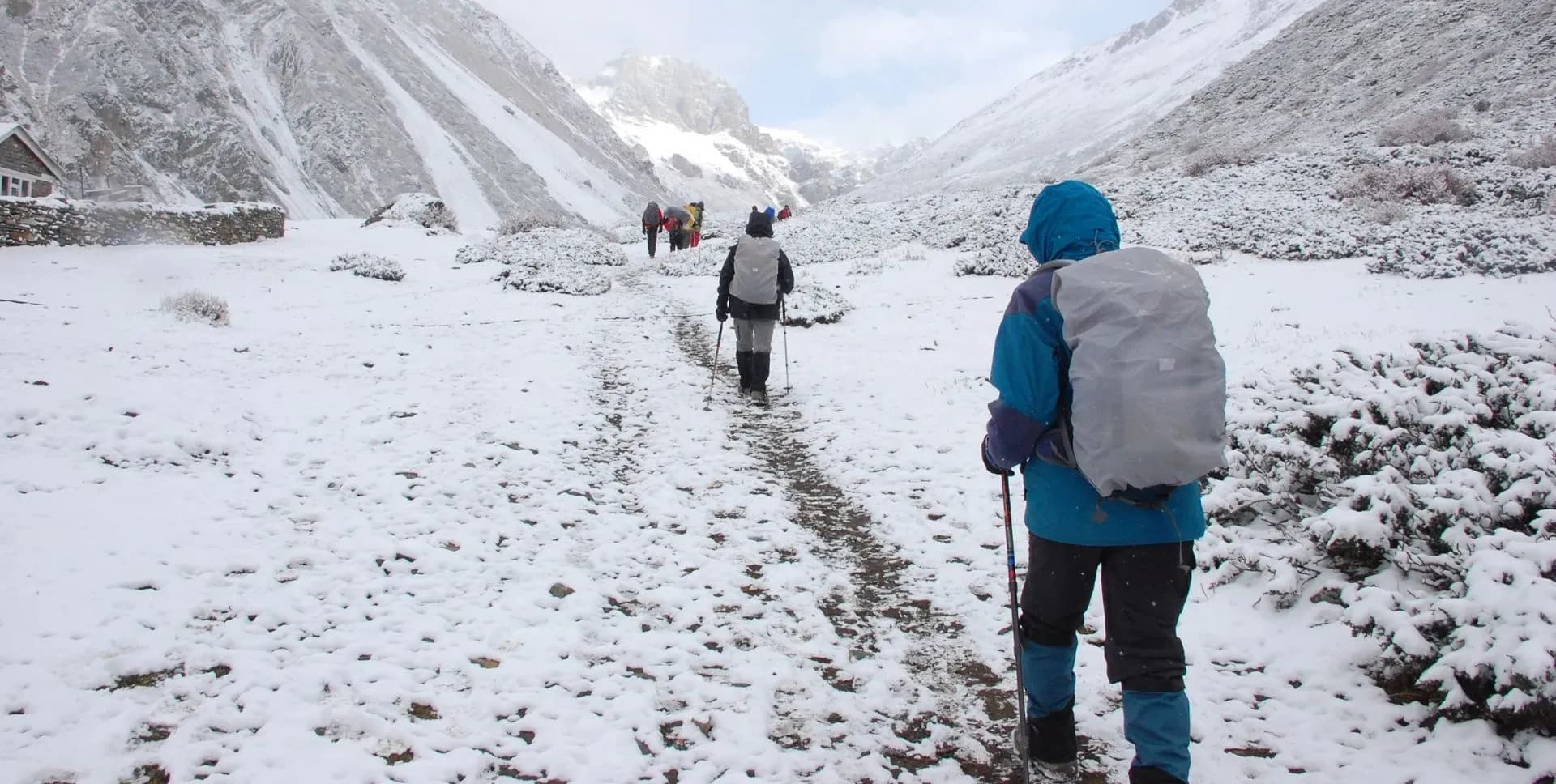
This is the most demanding day of the Everest base camp trek by Chola Pass. The trail climbs steadily from Dragnag through rocky terrain. At higher elevations, the way could be icy or snow-covered, involving careful footing. The views of Chola Lake and neighboring peaks make the ascent rewarding.
Chola Pass sits at 5,420 m and marks the boundary between the Gokyo and Khumbu valleys. A short snowfield near the top requires you to follow a marked trail to avoid hidden crevasses. From the pass, Lobuche East, Baruntse, and Ama Dablam appear on the horizon. The descent to Dzongla is steep and crosses rocky scree before easing into gentler terrain. Overnight at Dzongla.
The trail from Dzongla follows the valley north toward Lobuche. The route passes Chola Lake and climbs a grassy ridge with wide views of Ama Dablam, Kangtega, and Thamserku to the southeast. Taboche towers to the north as the trail approaches the Khumbu Glacier.
The final stretch to Lobuche crosses the glacier's lateral moraine. At Chupki Lhara, stone cairns honor climbers who lost their lives on Everest. Lobuche sits at 4,940 m in a cold, wind-exposed valley. The village has several teahouses and lodges. You are advised to hydrate well and watch for early signs of altitude sickness. Overnight at Lobuche.
From Lobuche, the trail continues along the Khumbu Glacier's lateral moraine toward Gorakshep. The route passes beneath Pumori, Lingtren, and Khumbutse. Nuptse towers to the right as you cross glacial terrain and boulder fields. Gorakshep appears on a flat sandy plain at 5,164 m — the last settlement before Everest Base Camp.
After lunch at Gorakshep, you continue to Everest Base Camp at 5,364 m. The trail crosses the Khumbu Glacier's moraine, navigating boulders and icy patches. Everest Base Camp is a rugged field of rocks and ice below the Khumbu Icefall. Everest itself is not visible from base camp, but the nearby peaks and the Khumbu Icefall create a powerful setting. You spend about 30 minutes at base camp before returning to Gorakshep for the night.
An early morning start from Gorakshep allows you to reach Kala Patthar at sunrise. The trail crosses the dried lakebed and climbs the ridge toward Pumori. Kala Patthar stands at 5,545 m and offers the clearest views of Everest's southwest face available from any trekking route. The panorama includes Nuptse, the Khumbu Icefall, Lho La, and the brightly colored tents of Everest Base Camp below.
After descending to Gorakshep for breakfast, the team retraces the trail toward Lobuche and continues downhill. The long descent passes Dughla and drops through the Khumbu Khola valley. You cross into the wider Imja Khola valley and arrive at Dingboche at 4,410 m. The lower elevation and warmer air provide welcome relief. Overnight at Dingboche.
From Dingboche, the trail descends through Pangboche and passes through the historic Riwu Gompa monastery. The path continues through Tengboche, where the famous monastery overlooks the valley with Ama Dablam in the background. A steep descent through rhododendron forests leads to Phunki Tenga.
From Phunki Tenga, the final stretch crosses the Dudh Kosi valley and climbs the familiar switchbacks to Kyangjuma and to Namche Bazaar. The return feels different after completing the high-altitude section. Overnight at Namche Bazaar.
The final trekking day follows the trail south from Namche Bazaar through dense pine forests. The descent passes Jorsale and Monjo, where you exit Sagarmatha National Park. The route continues through Benkar and Chumoa before reaching Phakding.
From Phakding, the trail climbs gently past Ghat and crosses the Thado Kosi bridge with views of Kusum Kanguru. The path passes Chheplung and Chaurikharka before the final climb into Lukla. Porters are thanked and farewelled in Lukla. The guide arranges a farewell meal in the evening before the early morning flight.
The morning flight from Lukla to Ramechhap depends on weather conditions. Flights typically begin at 6:30 AM, and check-in starts at 6:00 AM. The short mountain flight offers final views of the Himalayan peaks before landing at Ramechhap.
From Ramechhap, a vehicle transfers you to Kathmandu. The drive takes approximately four to five hours, depending on road conditions. Upon arrival in Kathmandu, you will be transferred to the hotel. The rest of the day is free for rest, sightseeing, or shopping.
This day is free for resting or optional sightseeing in Kathmandu. Notable attractions include Bhaktapur Durbar Square, Patan Durbar Square, Swayambhunath (Monkey Temple), Pashupatinath Temple, and Boudhanath Stupa. A city sightseeing tour can be arranged through the guide.
In the evening, the trekking team hosts a farewell dinner with guides and office staff. You are encouraged to share feedback from your experience on the Everest base camp trek via Chola Pass. Airport transfer times for the next day are confirmed at dinner.
You check out of the hotel and prepare for departure. Hotel checkout is usually at 12:00 PM. A guide or staff member meets you in the hotel lobby for the airport transfer. It is recommended to leave the hotel at least three hours before the scheduled departure of the flight.
EBC Trek via Chola Pass Route Map
Route Map
Altitude Profile
Inclusions
• Private airport transfers in Kathmandu (arrival & departure)
• 4 nights at a 3-star Kathmandu hotel (twin-share, bed & breakfast)
• Round-trip Kathmandu/Ramechhap–Lukla flights with standard baggage allowance
• 14 nights twin-share lodge accommodation during the trek
• Full-board meals throughout the trek (breakfast, lunch, dinner, tea & coffee)
• Drinking water and hot water for bottle refills at all lodge stops
• All required permits (Sagarmatha National Park & Khumbu Pasang Lhamu Rural Municipality)
• Senior English-speaking, government-licensed lead guide with full coverage (wages, meals, accommodation & insurance)
• Assistant guide for every 4 clients, fully covered
• One porter per 2 clients (max 15 kg/client), fully covered
• Emergency medical kit throughout the trek
• Supplemental oxygen, mask & regulator for emergency use
Exclusions
• International Airfare to/from Kathmandu
• Nepal entry visa fee
• Personal travel, medical & emergency evacuation insurance (mandatory; arrange prior to departure)
• Lunch & dinner in Kathmandu
• Additional Kathmandu nights beyond the itinerary (available on request)
• Personal trekking gear & clothing (sleeping bag, boots, trekking poles, down jacket, etc.)
• Alcoholic beverages, specialty hot drinks & bottled/canned drinks during the trek
• Lodge extras charged locally: hot showers, battery charging & Wi-Fi
• Any personal expenses not listed under inclusion
• Guide & porter gratuities (recommended: USD 190/guide, USD 130/porter — at client's discretion)
Date & Price
Want a Private or Tailored Trip?
Book on your own dates, bring a private group, or adjust the itinerary. Our team replies within 24 hours.
Reviews
Write a review
No reviews yet. Be the first to share your experience.
Gallery
No gallery images available.
From (per person)
People also viewed