Everest Base Camp Trek
From (per person)
Everest Base Camp Trek Highlights
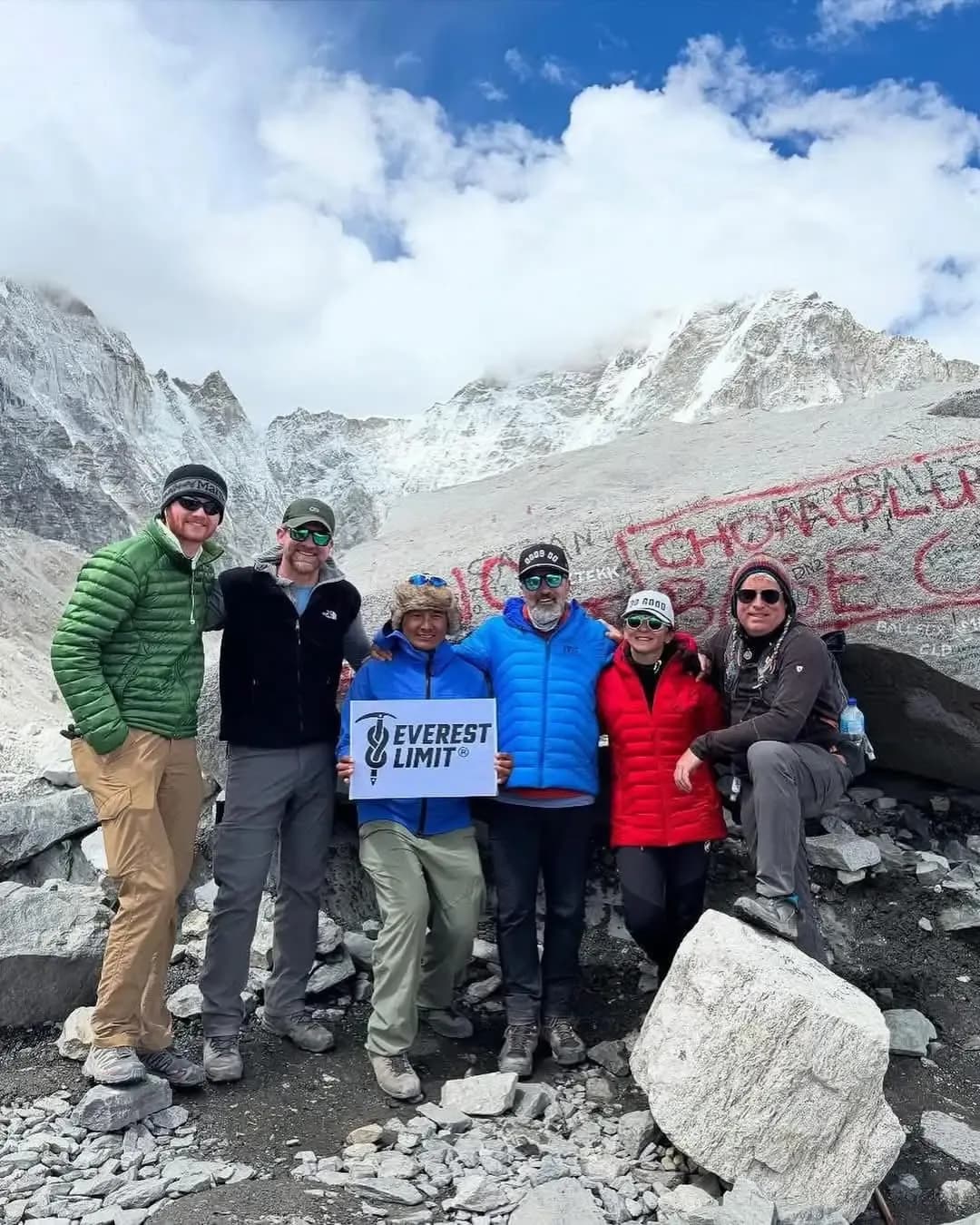
• Stand at Everest Base Camp, elevation of 5,364 m (17,598 ft) on the Khumbu Glacier
• Summit Kala Patthar (5,545 m / 18,192 ft) for the best panoramic view of Mount Everest
• Explore Namche Bazar, the busy trade hub and gateway to the Khumbu region
• Visit the sacred Tengboche Monastery, set against dramatic views of Ama Dablam and Lhotse
• Hike to Nangkartshang Peak (5,083 m / 16,677 ft) above Dingboche for acclimatization
• Trek through rhododendron and fir forests along the Dudh Koshi river valley
• Experience Sherpa culture, local tea houses, and traditional mountain villages
• Witness the massive Khumbu Icefall from Everest Base Camp on the world’s highest glacier
• Fly over the Himalayas on a scenic mountain flight between Kathmandu and Lukla
• Encounter iconic views of peaks including Everest, Nuptse, Cho Oyu, Makalu, and Pumori
Everest Base Camp Trek Overview
The Everest Base Camp trek is one of the most iconic trekking routes in the world. It takes trekkers through the heart of the Khumbu region in northeastern Nepal, deep into the Sherpa homeland. The EBC trek combines natural beauty, cultural richness, and high-altitude adventure into a single unforgettable trek.
This 15-day Mount Everest trek begins with an arrival in Kathmandu at 1,400 m (4,593 ft). From there, trekkers drive to Ramechhap and fly to Lukla, the mountain airstrip that serves as the entry point to the Khumbu region. The trail then winds north through forests, river valleys, and traditional villages before steadily climbing into high-altitude terrain.
Hiking to Everest Base Camp requires a good level of physical fitness and mental stamina. Participants should be comfortable walking for 5 to 7 hours a day over several consecutive days, often on steep, uneven, or rocky trails at high altitudes. While prior multi-day trekking experience is highly recommended, fit beginners with strong determination and preparation can also complete the trek safely. Training should focus on cardiovascular endurance, leg strength, and hiking with a loaded backpack. Preparing with regular long walks, stair climbing, or hill hikes over a period of weeks is ideal. The trek involves sleeping overnight at a high altitude above 3,500 meters and steadily ascending each day. Acclimatization stops at Namche Bazar, and Dingboche helps the body adjust to lower oxygen levels. The final approach to Mount Everest Base Camp crosses the famous Khumbu Glacier, one of the most dramatic landscapes on the route.
The trek reaches its peak on Day 8 when trekkers visit Everest Base Camp at 5,364 m (17,598 ft). The next morning, an early hike to Kala Patthar at 5,545 m (18,192 ft) offers the closest and clearest view of Mount Everest's summit. The descent back to Lukla follows a slightly different route, passing through familiar valleys with alternative views.
Accommodation throughout the trek is in local tea houses and lodges, ranging from basic to reasonably comfortable depending on altitude. Meals are available at tea houses along the route.
Essential gear to pack includes layered clothing for warmth (base layers, fleece, insulated jacket, and waterproof shell), trekking boots with good ankle support, gloves, a hat, sun protection (hat, sunglasses, sunscreen), and a headlamp. Other must-haves are a sturdy backpack, water bottles or hydration system, personal toiletries, basic medication, trekking poles, and spare batteries.
For those who prefer to travel light, most items such as sleeping bags, down jackets, trekking poles, and other equipment can be rented or purchased at gear shops in Kathmandu. This allows trekkers to supplement what they bring from home, easing packing concerns.
Everest Base Camp Trek Itinerary
Tap any day to read the full programme.
Arrive at Tribhuvan International Airport in Kathmandu, Nepal’s capital city, sitting at 1,400 m (4,593 ft) above sea level. A representative greets arriving trekkers at the arrival terminal and transfers the group to the hotel in Thamel.
A pre trek departure briefing takes place in the evening. The trek leader reviews the route, daily distances, and safety guidelines. The rest of the day is free for rest, last-minute gear shopping, or visiting the surrounding area.
The day begins with an early morning drive from Kathmandu to Manthali Airport in Ramechhap (474 m / 1,555 ft). The drive takes about four to five hours, depending on road conditions and traffic. Trekkers board a 20-minute mountain flight from Ramechhap to Lukla (2,845 m / 9,334 ft). Tenzing-Hillary Airport in Lukla is one of the most thrilling airstrips in the world, set on a narrow mountain shelf above the Dudh Koshi River.
After landing in Lukla, porters and support staff organize loads, and the trek begins. The trail descends gradually north through stone-walled pastoral lands, small Sherpa hamlets, and terraced farmland. The route follows the east bank of the Dudh Koshi River with gentle switchbacks and level stretches. Trekkers reach Phakding (2,610 m / 8,563 ft) after about three to four hours of walking.
After breakfast in Phakding, the trail heads north following the Dudh Koshi river. The route passes through forests of rhododendron, magnolia, and giant fir trees. Several long suspension bridges cross the river, adding scale to the valley walls. A well-known crossing is the Hillary Bridge, a high suspension bridge near Monjo village.
Just past Monjo is the entrance checkpoint to Sagarmatha National Park. Officials check trekking permits and park entry passes before allowing trekkers to continue. The trail climbs steadily up a steep forested gorge toward Namche Bazar. About one hour from the top, the first views of Lhotse and Mount Everest appear above the ridgeline. Namche Bazar (3,440 m / 11,286 ft), the Sherpa Capital of Khumbu, is the largest village in the region. Namche Bazar offers the best facilities along the route, with a variety of lodges, restaurants, and hot showers. The walk takes about five to six hours.
Spending a full day in Namche Bazar is not essential to any safe Everest Base Camp trek itinerary. The body requires time at a moderate altitude before pushing higher. Without this rest day, the risk of Acute Mountain Sickness increases significantly on the days that follow. Trekkers should stay active but avoid strenuous exertion.
The morning hike climbs from Namche Bazar to Hotel Everest View (3,880 m / 12,730 ft), recognized as one of the highest permanently staffed hotels in the world. The viewpoint delivers panoramic views of Everest, Lhotse, Ama Dablam, Thamserku, and Kwangde. This hike applies the standard acclimatization principle: climb high, sleep low. Trekkers return to Namche for the night.
The afternoon is free for exploring Namche Bazar. The village has a Sherpa Culture Museum, a weekly market, and a variety of shops selling trekking supplies. Monasteries and bakeries are scattered throughout the town. Trekkers should drink plenty of fluids and avoid alcohol at this altitude. Overnight in Namche Bazar.
The trail from Namche Bazar descends northeast along the hillside before dropping to the Dudh Koshi River at Phungi Thenga. From there, the route climbs steeply up into a tributary valley heading toward Tengboche. The ascent is demanding, but the mountain views grow more dramatic with every step. Ama Dablam, Nuptse, Lhotse, and Everest all come into clear view as the ridge rises. The walk takes approximately five to six hours.
Tengboche Monastery stands at 3,867 m (12,687 ft) on a wide ridge above the confluence of the rivers. It is the largest and most revered monastery in the Khumbu region. Evening prayers at the monastery are open to visitors and provide a meaningful insight into local Buddhist practice.
From Tengboche, the trail descends through dense rhododendron forest before crossing the river and climbing again. The route passes through Pangboche, the largest permanent Sherpa settlement in the upper Khumbu valley. The Pangboche Gompa is one of the oldest monasteries in the region and holds items of cultural meaning, including relics claimed to be from Yeti. Beyond Pangboche, the terrain opens into dry, treeless valleys at high elevation.
The trail continues northeast into the Imja Valley toward Dingboche. The gradient through this section is relatively gentle, though the altitude makes even easy ground feel demanding. Trekkers should pace themselves carefully and drink water regularly. Dingboche (4,410 m / 14,469 ft) sits at the junction of the Imja and Lobuche valleys, surrounded by stone-walled fields and simple lodges. The walk takes approximately five to six hours.
A second acclimatization day is built into this EBC trek itinerary at Dingboche. Above 4,000 m, the body struggles to absorb enough oxygen with each breath. The day’s hike climbs to Nangkartshang Peak at 5,083 m (16,677 ft), a prominent ridge above Dingboche. The ascent takes two to three hours and provides sweeping views of Ama Dablam, Makalu, Lhotse, Island Peak, and surrounding glacial lakes. Trekkers again apply the principle of climb high, sleep low. The afternoon is free for rest.
The trail leaves Dingboche and climbs north through the broad Khumbu Valley. The route gains elevation gradually, passing over the Thukla Pass (also called Dughla). Near the top of the pass, a collection of stone chortens and memorial monuments to honor climbers who have lost their lives on Mount Everest. The site is sobering and widely regarded as one of the most reflective points on the entire Mount Everest trek.
Beyond the memorials, the trail descends slightly onto the lateral moraine of the Khumbu Glacier. The landscape grows progressively barren and rocky. Stone houses and a handful of tea houses mark the settlement of Lobuche (4,940 m / 16,207 ft). Facilities here are simple, with basic rooms and limited menu options. The walk takes approximately five hours.
This is the most anticipated day of the entire Everest base camp trek. The trail from Lobuche follows the edge of the Khumbu Glacier, crossing rocky moraine terrain beside glacial lakes and frozen streams. After approximately three hours, the trail reaches Gorakshep (5,164 m / 16,942 ft), the last settlement before Base Camp.
The hike from Gorakshep to Everest Base Camp covers approximately three kilometers over rocky glacier terrain. The path passes through boulders, moraine ridges, and sections of the Khumbu Glacier itself. At 5,364 m (17,598 ft), the Everest base camp elevation places trekkers at the foot of the Khumbu Icefall, the most dangerous section of the standard South Col climbing route. The massive seracs and crevasses of the icefall tower are directly above.
Reaching Mount Everest Base Camp is the defining moment of the trek. During the spring climbing season, the area fills with expedition tents, supply chains, and mountaineering teams from around the world. Outside of the season, the site is quieter but no less dramatic. After spending some time at the Base Camp, we return to Gorakshep for the night.
Before sunrise, begin the steep climb to Kala Patthar in the dark, guided by headlamps. The name means "Black Rock" in Nepali, referring to the dark, rocky summit that rises sharply above Gorakshep. The hike takes approximately two to three hours from camp. Reaching the summit (5,545 m / 18,192 ft) marks the highest point on this itinerary.
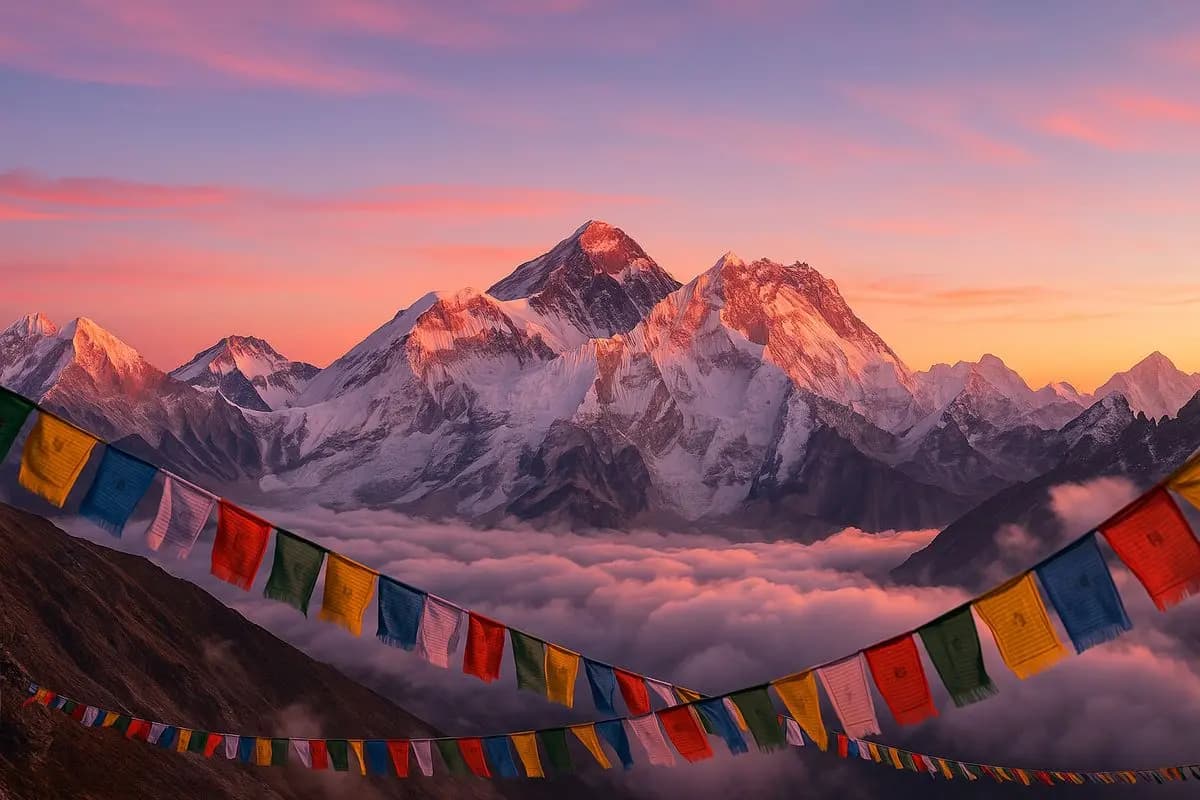
Kala Patthar is widely recognized as the finest accessible viewpoint for observing the summit of Mount Everest. At sunrise, the first light touches the upper ridges of Everest, Lhotse, Nuptse, Pumori, and Changtse in a dramatic sequence. The panorama is 360 degrees and completely unobstructed. No technical equipment is required to reach this viewpoint, making it the highlight of the Everest Base Camp trek for most trekkers.
After the sunrise views, descend to Gorakshep for breakfast. The long descent continues through Lobuche and down the Khumbu Valley to Pheriche (4,371 m / 14,341 ft). Pheriche is a small but well-established settlement with good tea house facilities. The Himalayan Rescue Association maintains a medical post here that provides advice on altitude sickness during the trekking season.
The descent from Pheriche heads south through familiar Khumbu Valley terrain. The trail passes through Tengboche, where trekkers may stop for tea and a final view of the monastery against the mountain backdrop. Below Tengboche, the trail re-enters the rhododendron forest and descends steadily toward the river crossing.
The route retraces the upward trail back to Namche Bazar. Descending from alpine terrain back into the warmer, tree-lined lower valley brings a noticeable change in temperature and air density. The walk from Pheriche to Namche Bazar takes approximately six to seven hours.
The final day of active trekking follows the well-worn trail south from Namche Bazar toward Lukla. The path descends through rhododendron and pine forests, crosses the Dudh Koshi River on suspension bridges, and passes through Phakding and other small villages along the way. The descent is long but simple. The lower elevation brings warmer air and more comfortable walking conditions.
The final section from Phakding climbs steeply back up to Lukla through scrub forest and small Tamang settlements. Arriving in Lukla marks the official end of the trekking portion of the EBC trek.
An early morning flight departs Lukla for Manthali Airport in Ramechhap. The short mountain flight covers the same dramatic route flown on Day 2.
After landing in Ramechhap, a private vehicle transfers you back to Kathmandu. The drive takes approximately four to five hours through Nepal’s middle hills.
Weather in the Khumbu region can delay morning flights, especially during unsettled conditions. This free day serves as a buffer in case flights are delayed or cancelled. This planning helps reduce stress and ensures a more relaxed end to your trip.
If flights go as planned on Day 13, you can rest, visit cultural sites, or shop for souvenirs in Thamel. Nearby attractions include Boudhanath Stupa, Pashupatinath Temple, and the Durbar Squares of Kathmandu, Patan, and Bhaktapur. Each site offers a unique perspective on Nepal’s history, architecture, and religious traditions.
The hotel check-out time is 12 noon. Depending on the flight time, the transfer is arranged to Tribhuvan International Airport for their onward flights.
Everest Base Camp Trek Route Map
Route Map
Altitude Profile
Inclusions
• Private airport transfers in Kathmandu (arrival & departure)
• 3 nights at a 3-star Kathmandu hotel (twin-share, bed & breakfast)
• Round-trip Kathmandu/Ramechhap–Lukla flights with standard baggage allowance
• 11 nights twin-share lodge accommodation during the trek
• Full-board meals throughout the trek (breakfast, lunch, dinner, tea & coffee)
• Drinking water and hot water for bottle refills at all lodge stops
• All required permits (Sagarmatha National Park & Khumbu Pasang Lhamu Rural Municipality)
• Senior English-speaking, government-licensed lead guide with full coverage (wages, meals, accommodation & insurance)
• Assistant guide for every 4 clients, fully covered
• One porter per 2 clients (max 15 kg/client), fully covered
• Emergency medical kit throughout the trek
• Supplemental oxygen, mask & regulator for emergency use
Exclusions
• International Airfare to/from Kathmandu
• Nepal entry visa fee
• Personal travel, medical & emergency evacuation insurance (mandatory; arrange prior to departure)
• Lunch & dinner in Kathmandu
• Additional Kathmandu nights beyond the itinerary (available on request)
• Single room supplement or forced single room charges, where applicable
• Personal trekking gear & clothing (sleeping bag, boots, trekking poles, down jacket, etc.)
• Alcoholic beverages, specialty hot drinks & bottled/canned drinks during the trek
• Lodge extras charged locally: hot showers, battery charging & Wi-Fi
• Any personal expenses not listed under inclusion
• Guide & porter gratuities (recommended: USD 150/guide, USD 100/porter — at client's discretion
Date & Price
Want a Private or Tailored Trip?
Book on your own dates, bring a private group, or adjust the itinerary. Our team replies within 24 hours.
FAQ
Reviews
Write a review
No reviews yet. Be the first to share your experience.
Gallery
From (per person)
People also viewed