Nar Phu Trek
From (per person)
Nar Phu Trek Highlights
• Trek through the restricted and rarely visited Nar Phu Valley
• Cross the challenging Khangla Pass (5,306 m / 17,408 ft) with panoramic views
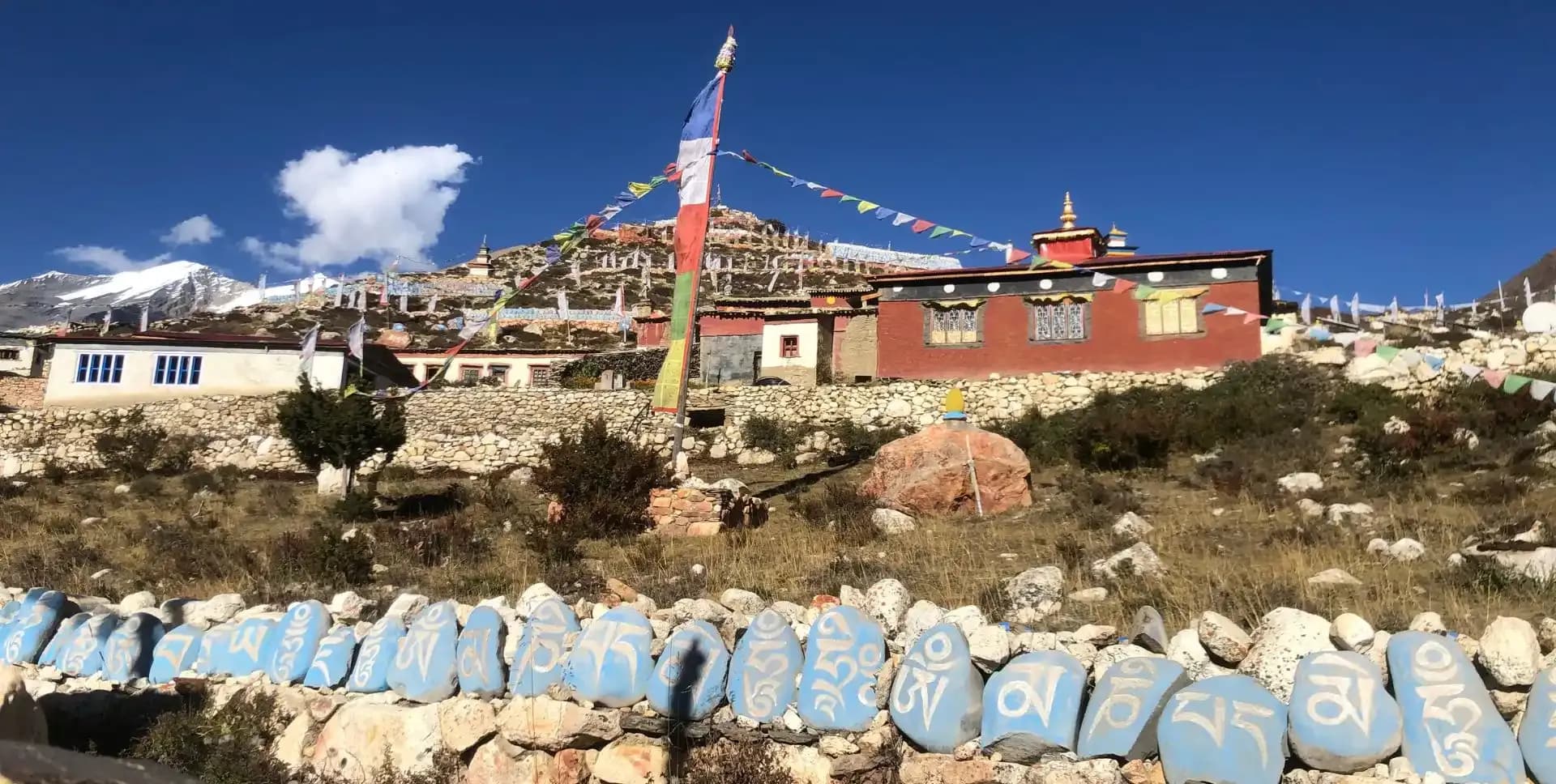
• Explore the remote Phu village, a settlement of Tibetan-style stone houses
• Visit Nar village, surrounded by mustard and barley fields at 4,110 m
• Discover ancient monasteries, chortens, and mani walls along the trail
• Pass through the historic Phu Gate, a stone gateway into the upper valley
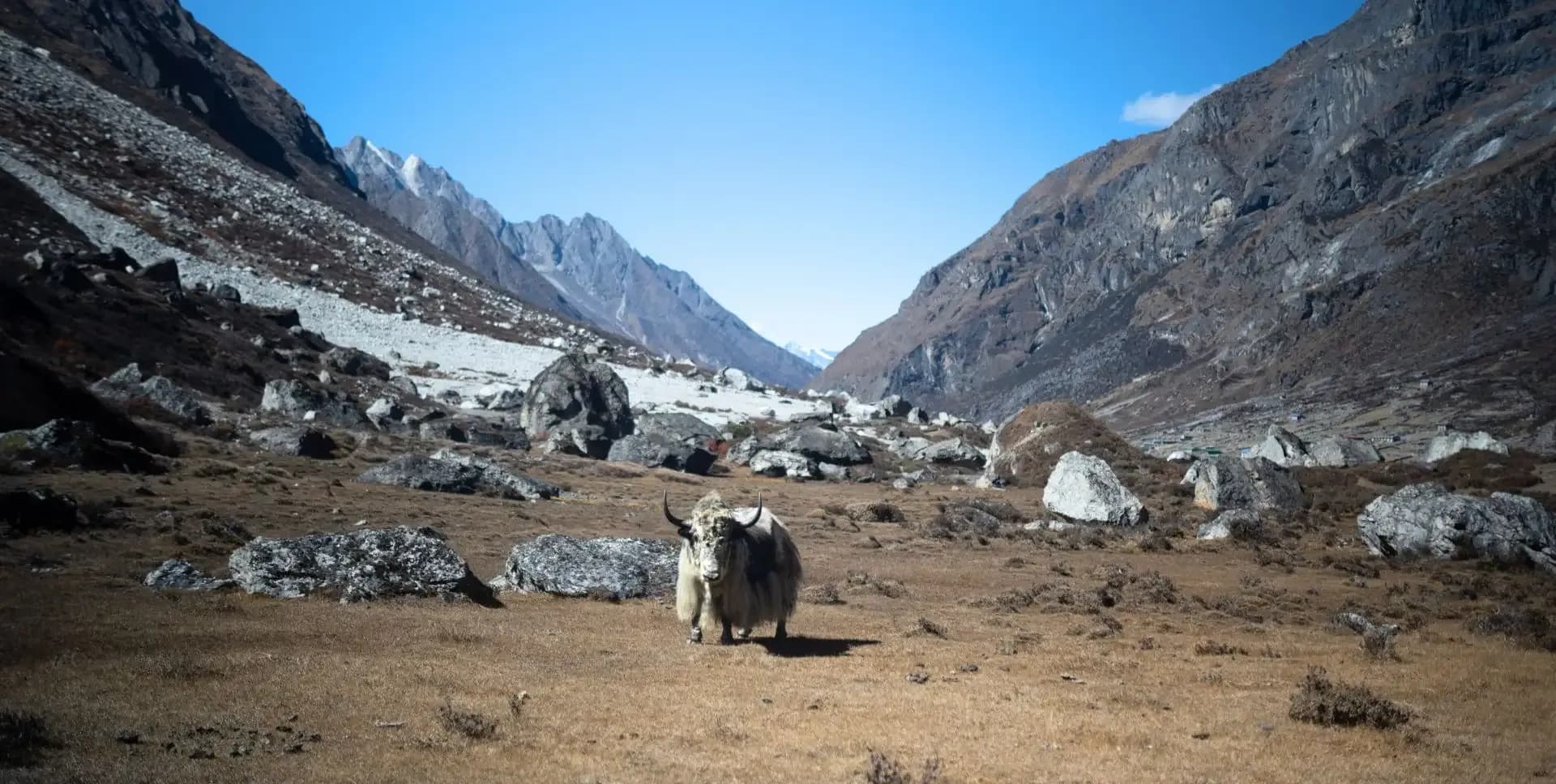
• Spot yaks and witness traditional migration between high pastures and winter settlements
• Experience Tibetan-influenced culture and architecture in both Nar and Phu villages
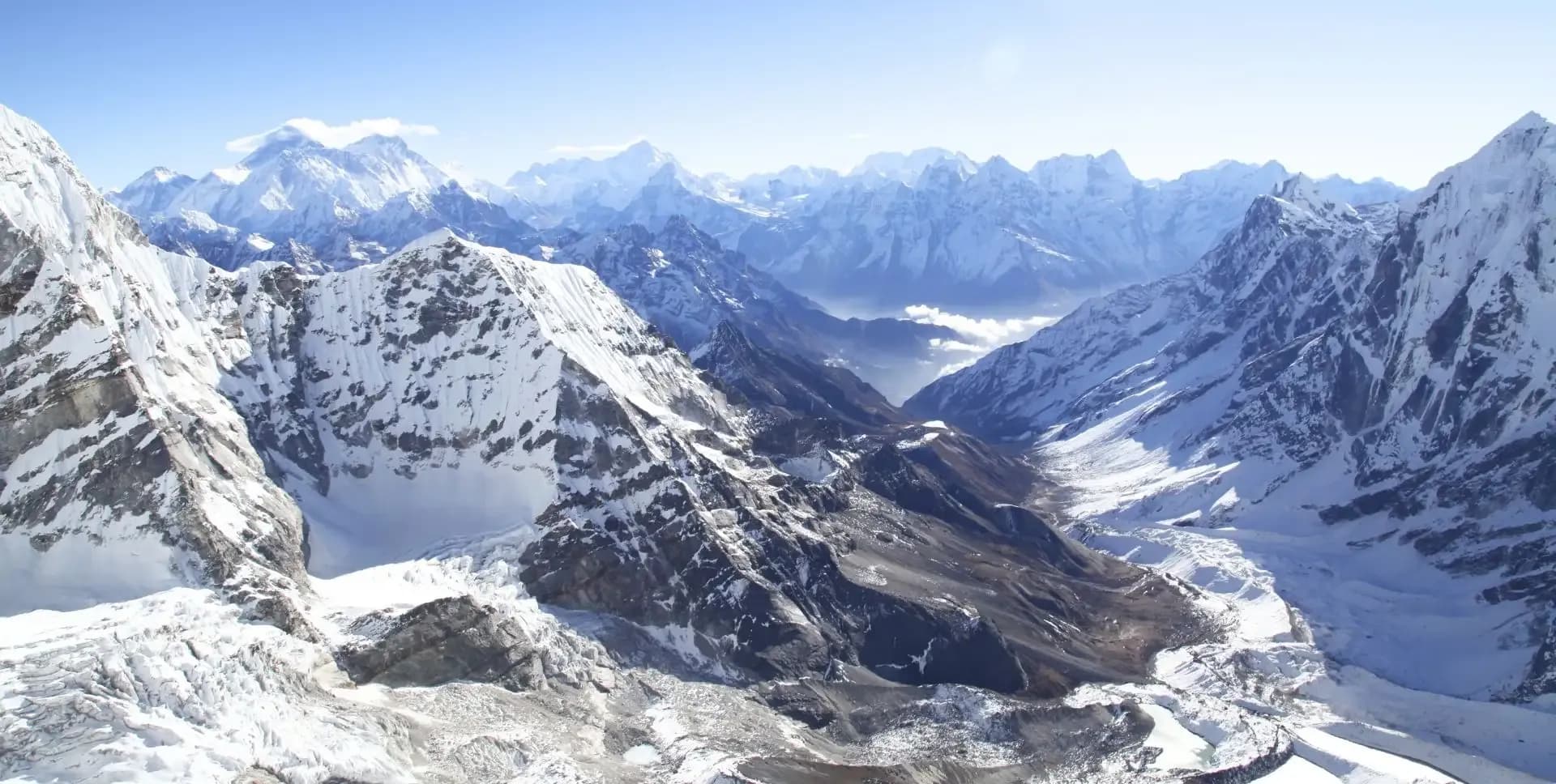
• Enjoy close-up views of Annapurna II, Gangapurna, Tilicho Peak, and Manaslu
Nar Phu Trek Overview
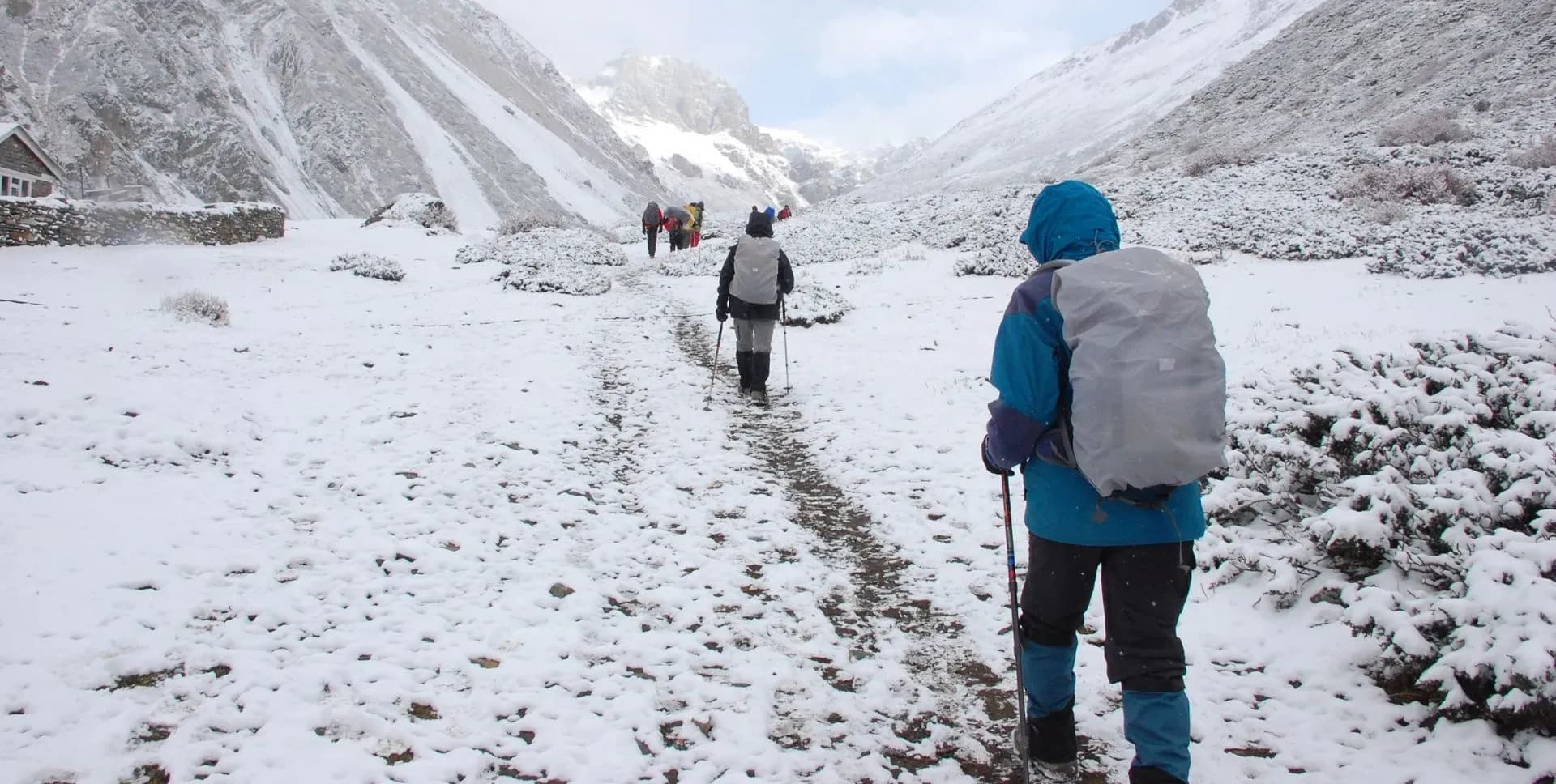
The Nar Phu Trek is a restricted-area trek in the Annapurna region of Nepal. It follows the narrow gorge of the Nar Phu Khola, leading to two remote Tibetan-influenced villages: Phu village and Nar village. The trek requires a special restricted area permit, which limits the number of visitors each year.
The trail begins at Koto, where it branches off from the Annapurna Circuit. From here, trekkers enter a progressively wilder and more isolated landscape. The route passes through deep gorges, open plateaus, ancient settlements, and high alpine terrain. Unlike the busy Annapurna Circuit, the Nar Phu Trek sees very little foot traffic.
Phu village sits at 4,080 m and consists of around 30 stone houses in the Tibetan style. It is home to approximately 150 people who maintain a semi-nomadic lifestyle. A short excursion from Phu leads to Phu Monastery, one of the most important religious sites in the valley. The trail to Phu also passes through the Phu Gate, an ancient stone gateway at the entrance to the upper valley.
Nar village lies at 4,110 m on the opposite side of the valley. It is surrounded by high peaks and agricultural fields. The people of Nar are known for spinning and weaving. The village has several colourful gompas and offers excellent views from the surrounding hills.
The trek concludes with a crossing of the Khangla Pass at 5,306 m. From the top, trekkers see sweeping views of the Annapurna massif and the Tilicho Lake area. The descent leads to Ngawal on the Annapurna Circuit before returning to Kathmandu. The full program runs over 12 days, including arrival and departure.
Nar Phu Trek Itinerary
Tap any day to read the full programme.
Arrive at Tribhuvan International Airport in Kathmandu and transfer to the group hotel. The rest of the day is free. It offers time to rest, explore the surroundings, or prepare personal gear. The guide joins the group for dinner in the evening and provides a briefing about the days ahead.
The morning is set aside for permit preparation. Trekkers in the Nar Phu Valley require a restricted area permit in addition to standard trekking permits. After completing formalities, the group drives west from Kathmandu toward Besishar. The journey takes around 5 to 6 hours along the Marsyangdi River valley. The group stays overnight in Besishar.
From Besishar, the group transfers by 4WD vehicle along a rough mountain road to Koto. The drive climbs steadily through the Marsyangdi Valley, passing several villages along the Annapurna Circuit trail. Koto has a checkpoint where permits are inspected before entry into the restricted zone. Depending on timing and conditions, the group may continue foot to a campsite near the Nar Phu Khola at 2,980 m.
At Koto, the Annapurna Circuit route continues west while the Nar Phu Trek turns north. This marks the beginning of the restricted area. The landscape changes quickly as the trail enters a narrower and steeper gorge.
Today's route follows the western bank of the Nar Phu Khola through dense forest and past several temporary settlements. These seasonal hamlets are used by the people of Nar and Phu during winter months. The trail involves some steep sections cut directly into the cliff facing above the river. The path gains elevation steadily toward Meta.
Meta sits at 3,560 m and serves as a suitable acclimatization stop. From near the camp, a short trail leads partway toward Kang Guru base camp at approximately 4,000 m. This side route is optional and adds time to the day. Trekkers encounter very few others along this section of the route.
The trail continues up the valley on a mostly gradual ascent. After a level section along the Phu Khola, the route passes through the temporary Khampa settlement of Chyako. The trail steepens beyond this point and climbs through a second section known as Upper Chyako before reaching Kyang.
Kyang lies on a broad plateau above the Phu Khola at 3,820 m. It serves as the main winter settlement of the people of Phu village. A long mani wall marks the entrance to the area. During the migration season, it is possible to observe families moving down from higher summer pastures with their yaks. The scene closely reflects traditional Tibetan pastoral life.
Today's route continues up the valley from Kyang toward Phu village. The trail passes several mani walls and chortens before the rock walls narrow and force the path to climb above the gorge. The Phu Gate, an ancient stone gateway, marks the entrance to the upper Phu valley. Beyond it, the landscape opens to reveal the three clusters of Phu village, with the ruins of old forts on the ridge above.
Phu village sits at 4,080 m and takes roughly four hours to reach from Kyang. The village consists of around 30 stone-built houses in the Tibetan architectural style. The settlement is home to approximately 150 people. The remainder of the afternoon is free to explore the village lanes, observe the local way of life, and acclimatize to the altitude.
A full day is dedicated to exploring Phu and its surroundings. The most significant excursion is the visit to Phu Monastery, one of the oldest and most important religious sites in the valley. The monastery sits above the village and overlooks the surrounding peaks. Trekkers can observe traditional Buddhist artwork, prayer halls, and religious objects during the visit.
The comparatively unspoilt culture and architecture of Phu village make it one of the most rewarding stops on the trek. The afternoon allows time to walk through the village, interact with residents, and observe daily activities. The group returns to the camp at Phu for the night.
The group retraces the trail back down from Phu to Kyang. The descent is considerably faster than the ascent. The route passes through the Phu Gate and descends along the same gorge path used on the way up. The familiar landscape takes on a different quality on the return, with views now looking outward toward the lower valley.
The camp at Kyang provides a comfortable base before the trail splits tomorrow toward Nar village. Trekkers have time in the afternoon to rest or walk around the plateau settlement.
Today's route leaves the Phu Khola valley and heads toward Nar village. The trail descends to a bridge crossing at Nar Phedi before climbing steeply out of the narrow gorge. The ascent leads through open terrain toward the upper pasturelands surrounding Nar village.
Nar village sits at 4,110 m and is enclosed by snow-capped peaks on several sides. Fields of mustard and barley grow around the settlement, giving it a distinctly agricultural character compared to Phu. The village has several colorful gompas worth visiting. From the hill above the village, marked by prayer flags, trekkers get expansive views of the surrounding peaks. The people of Nar are known for spinning and weaving, and local crafts may be visible throughout the village.
This is the longest and most demanding day of the trek. The group starts early and ascends over 700 metres to the summit of the Khangla Pass at 5,306 m. The climb takes the trail through ancient glacial moraines before rising steeply to the pass. From the top, trekkers see sweeping panoramas of Annapurna II, Gangapurna, Tilicho Peak, and the peaks surrounding Tilicho Lake. The Annapurna Circuit trail and the Hongde airstrip are visible far below.
The descent from the pass is initially steep and loose, often over scree and sometimes snow-covered. Careful footing is required. The trail levels out onto a plateau where the group stops for lunch before contouring along the hillside to Ngawal. The village sits at 3,660 m and features cobbled streets, prayer wheels, and classic Tibetan-influenced architecture. Camp is set up in Ngawal for the night.
The trek concludes today. From Ngawal, the group descends to join the Annapurna Circuit trail and reaches the road at Chame or a suitable vehicle pick-up point. The group boards 4WD vehicles and begins the long drive back to Kathmandu along the Marsyangdi River valley.
The drive to Kathmandu takes approximately 11 to 12 hours, including stops. Trekkers arrive in Kathmandu in the late afternoon or early evening. After checking in to the hotel, the group has time to rest before a celebratory dinner.
The program ends after breakfast on the final day. Transfers to Tribhuvan International Airport are provided based on individual flight schedules.
Nar Phu Trek Route Map
Route Map
Altitude Profile
Inclusions
• Private airport transfers in Kathmandu (arrival & departure)
• Private transfer from Kathmandu to Besishar, local jeep onward to Koto, and return by local jeep from Ngawal to Besishar and to Kathmandu
• 2 nights at a 3-star Kathmandu hotel (twin-share, bed & breakfast)
• 8 nights twin-share lodge accommodation during the trek
• Full-board meals throughout the trek (breakfast, lunch, dinner, tea & coffee)
• Drinking water and hot water for bottle refills at all lodge stops
• All required permits (Nar Phu Restricted Area Permit, Annapurna Conservation Area Permit & TIMS Card)
• Senior English-speaking, government-licensed lead guide, fully covered (wages, meals, accommodation & insurance)
• Assistant guide for every 4 clients, fully covered
• One porter per 2 clients (max 15 kg/client), fully covered
• Emergency medical kit throughout the trek
• Supplemental oxygen, mask & regulator for emergency use
Exclusions
• International Airfare to/from Kathmandu
• Nepal entry visa fee
• Personal travel, medical & emergency evacuation insurance (mandatory; arrange prior to departure)
• Lunch & dinner in Kathmandu
• Additional Kathmandu nights beyond the itinerary (available on request)
• Single room supplement or forced single room charges, where applicable
• Personal trekking gear & clothing (sleeping bag, boots, trekking poles, down jacket, etc.)
• Alcoholic beverages, specialty hot drinks & bottled/canned drinks during the trek
• Lodge extras charged locally: hot showers, battery charging & Wi-Fi
• Any personal expenses not listed under inclusion
• Guide & porter gratuities (recommended: USD 100/guide, USD 65/porter — at client's discretion)
Date & Price
Want a Private or Tailored Trip?
Book on your own dates, bring a private group, or adjust the itinerary. Our team replies within 24 hours.
Reviews
Write a review
No reviews yet. Be the first to share your experience.
Gallery
No gallery images available.
From (per person)
People also viewed